


How does South Carolinas electrical demands look like in the next 10 years
According to the U.S. Energy Information Administration (EIA), South Carolina’s electricity consumption is expected to grow by 1.5% per year over the next 10 years, from 77.8 terawatt-hours (TWh) in 2023 to 86.3 TWh in 2033. This growth is driven by a number of factors, including population growth, economic development, and the increasing use of electric vehicles.
To meet this growing demand, South Carolina will need to add new generating capacity. The EIA projects estimates that the state will have to add 11.4 gigawatts (GW) of new capacity by 2033, including 6.7 GW of solar, 2.7 GW of wind, and 2 GW of natural gas.
The state’s nuclear power plants will also continue to play a significant role in meeting electricity demand. The four nuclear power plants in South Carolina currently have a combined capacity of 9.2 GW, and they are expected to operate for many years to come.
In addition to new generating capacity, South Carolina will also need to make investments in the transmission and distribution system to ensure that electricity can be reliably delivered to customers. The EIA projects estimate that the state will need to invest $1.8 billion in transmission and distribution infrastructure by 2033.
Overall, South Carolina is facing a number of challenges in meeting its growing electricity demand.
How much energy generation will South Carolina retire in the next 10 years?
According to the 2023 Integrated Resource Plan (IRP) of Dominion Energy SouthCarolina, Inc. (DESC), the state is expected to retire 12.448 gigawatt-hours (GWh) of energy generation in the next 10 years. This represents about 16% of the state’s current electricity production.
The majority of the retirements are expected to come from coal-fired power plants. DESC plans to retire all of its coal-fired power plants by 2030. The retirement of these plants will be driven by a number of factors, including the increasing cost of coal, the availability of cleaner and cheaper alternatives, and the state’s commitment to reducing greenhouse gas emissions.
The other sources of retirements include two natural gas-fired power plants and one nuclear power plant. The retirement of the natural gas-fired plants is due to their age and the fact that they are no longer economical to operate. The retirement of the nuclear power plant is due to safety concerns.
The retirement of these power plants will have a significant impact on the state’s electricity grid. DESC will need to replace this lost generation with other sources, such as renewable energy and natural gas. The state is also considering investing in energy storage technologies to help manage the grid during periods of peak demand.
Here is a breakdown of the expected retirements by type of power plant:
- Coal-fired power plants: 1,900 MW
(Santee Cooper is a public utility that provides electricity to South Carolina. As of 2023, it has four coal-fired power plants with a total generating capacity of 4,043 MW. These plants produce about 46% of Santee Cooper’s electricity). - Nuclear power plants: 500 MW
- Natural gas-fired power plants: 400 MW
The retirement of these power plants will have a significant impact on the South Carolina electric grid. The state will need to find new sources of electricity to replace the retired capacity.
The retirement of power plants is a complex issue with many factors to consider. It is important to weigh the environmental and economic impacts of retirements when making decisions about the future of the electric grid.
Retirement plans
Santee Cooper
The Cross Plant has a capacity of 2,390 MW and the Winyah Plant has a capacity of 1,150 MW. Santee Cooper is in the process of retiring its coal-fired power plants. The Cross Plant was scheduled to be retired in 2025, but is delayed and seems to be in operation until 2030, and the Winyah Plant is scheduled to be retired no later than December 31 st 2028.
Key conclusions
The Preferred Portfolio proposed in the IRP supports the following changes to the Combined System’s1 portfolio of resources:
- Adding substantial new solar resource capacity annually from 2026 through the 2030s to levels totaling approximately 1,500 megawatts (“MW”) by 2030 and over 3,000 MW by 2040,
- Retiring the 1,150 MW Winyah Coal Generating Station (“Winyah”) by year-end 2030,
- Developing a natural gas combined cycle (“NGCC”) resource of approximately 1,000 MW to 1,400 MW to coincide with the retirement of Winyah, and
- Adding several hundred MWs of combustion turbine (“CT”) generating units and battery energy storage systems (“BESS”) in the late 2020s and into the 2030s.
Duke
Has closed all its coal plants in SC, and still operates some coal-fired power plants in North Carolina, but the company has announced plans to retire those plants by 2030.
Dominion
Operates two coal-fired plants in SC
- Wateree Station is located in Richland County and has a capacity of 700 megawatts (MW).
- The Williams Station is located in Berkeley County and has a capacity of 660 MW.
Dominion has announced plans to retire the Wateree Station in 2028 and the Williams Station in 2030. This is part of DESC’s commitment to reducing its carbon emissions.
Power generation, distribution, what’s the problem?
The largest problem with large-scale EV rollout is the strain it puts on the power grid. EVs require a lot of electricity to charge, and if too many people are charging their cars at the same time, it can overload the grid. This can lead to blackouts and other disruptions.
To address this problem, utilities are working to upgrade their grids to make them more resilient to increased demand. They are also investing in renewable energy sources, such as solar and wind, which can help to meet the growing demand for electricity without putting too much strain on the grid.
Overall, the large-scale rollout of EVs is a major challenge, but it is also an opportunity to transition to a cleaner and more sustainable energy future. By working together, utilities, governments, and businesses can overcome these challenges and make EVs a reality for everyone.
How much does the utility companies invest in the grids looking at it from a customer perspective?
According to the Electric Power Research Institute (EPRI), the average utility company in the United States invests about $1.20 per customer per year on grid upgrades. However, there is a wide range of investment levels, with some companies investing as much as $3.00 per customer per year and others investing as little as $0.50 per customer per year.
The investment level in South Carolina is about average, with utility companies investing about $1.10 per customer per year. This is slightly lower than the national average, but it is still a significant investment.
Here are some of the factors that can affect the investment level in grid upgrades:
- The age of the grid: Older grids are more likely to need upgrades than newer grids.
- The size of the utility company: Larger utility companies typically have more customers and more assets, which means they need to invest more in grid upgrades.
- The climate: Utilities in colder climates need to invest more in grid upgrades to withstand extreme weather events.
- The regulatory environment: Some states have more stringent regulations on grid upgrades than others.
Why is the demand increasing?
South Carolina needs to increase its energy generation for a number of reasons, including:
- To meet the growing demand for electricity. The state’s population is expected to grow by 1.5 million people by 2050, and this growth will put a strain on the state’s energy infrastructure. (1,5 million people does not only put demands on energy generation, water treatment, fiber infrastructure, housing, child care, schooling, jobs will also be affected).
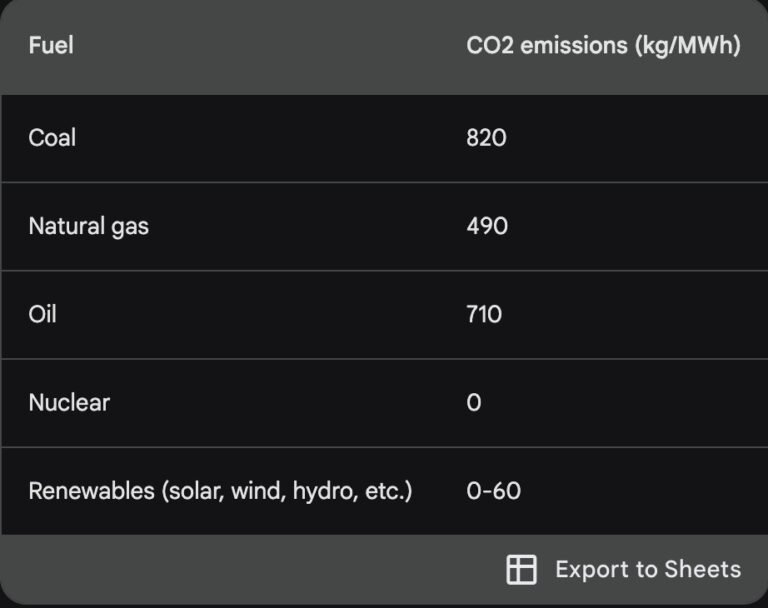
- To reduce its reliance on fossil fuels. Coal and natural gas are the two main sources of energy in South Carolina, but they are also major contributors to climate change. The state is committed to reducing its carbon emissions, and increasing its energy generation from renewable sources is one way to do this.
- To create jobs in the clean energy sector. The clean energy sector is growing rapidly, and South Carolina is well-positioned to take advantage of this growth. The state has a number of resources that are essential to the clean energy industry, including a skilled workforce, a favorable business climate, and a commitment to sustainability.
Why is The Oaktree a great solution for South Carolina?
Looking at clean renewable energy one sees that they all lack at least one thing, they don’t generate a lot of jobs once they are in operation. Solar has a problem in that they need a lot of land and, lately, offshore wind energy in the East has been under pressure. It’s still too early to see if there has been a coverup, lack of data, or if the debate is based on fake news.
What is clear is that natural gas isn’t clean, it’s better than coal. Sun doesn’t generate jobs ones operation is place and the same goes for wind. Solar and wind is also demanding since they need batteries, and that is both expensive and right now controlled by China, who also controls the solat panel market.
The natural gas generates jobs but, isn’t clean, the price is depending on regulations and global markets, which makes it hard to use when it comes to coperative long term development strategies.
The Oaktree
- Is carbon-negative, each plant will sequester approximately 500,000 ton whereas a coal plant emits 1,9 Mton.
- Generates approximately 300 jobs per plant and,
- the advanced material side at least an additional 100 jobs
- Can be combines with energy demanding manufacturing like steel, cement and glass production, reducing their emissions to a carbon-neutral level.
